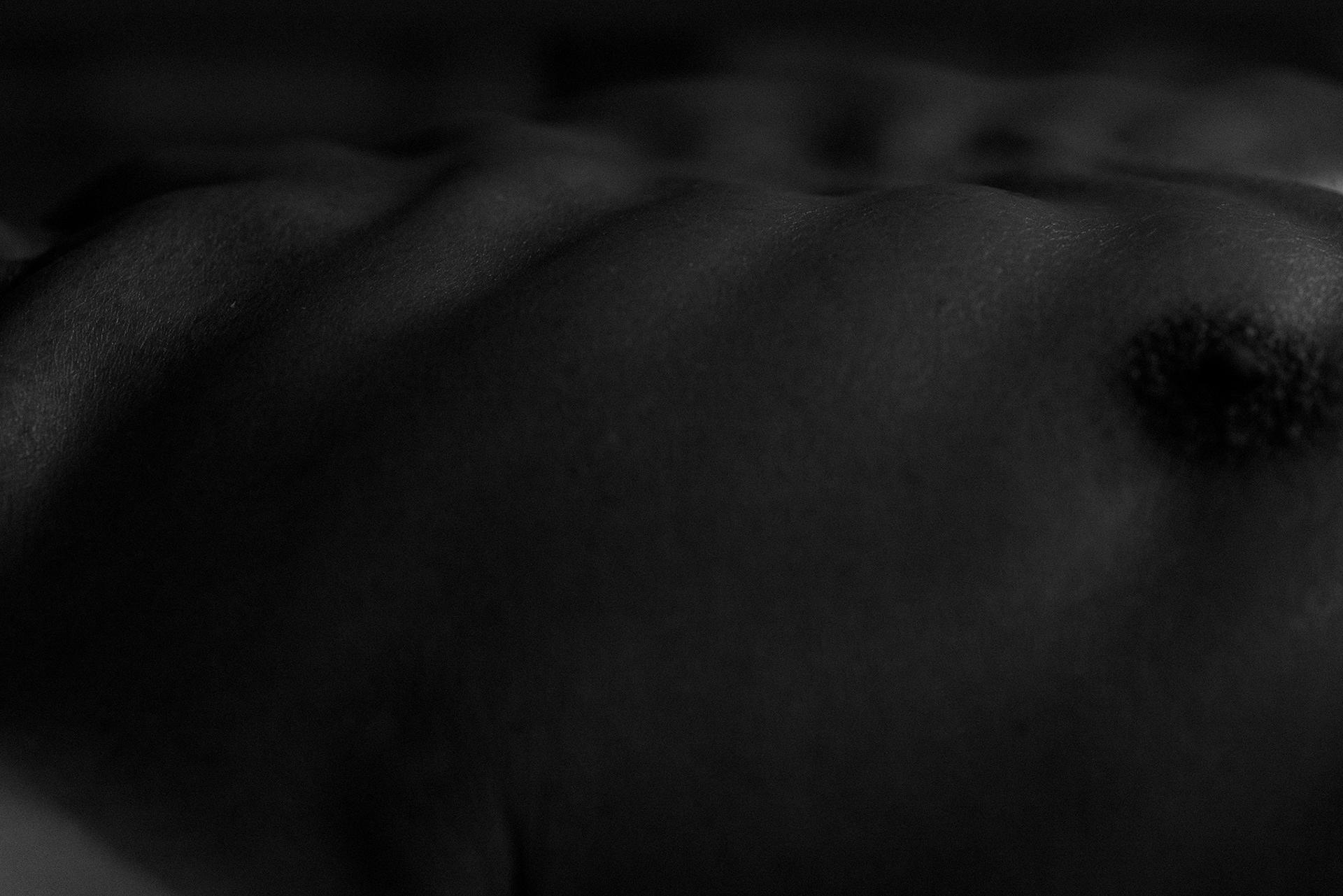
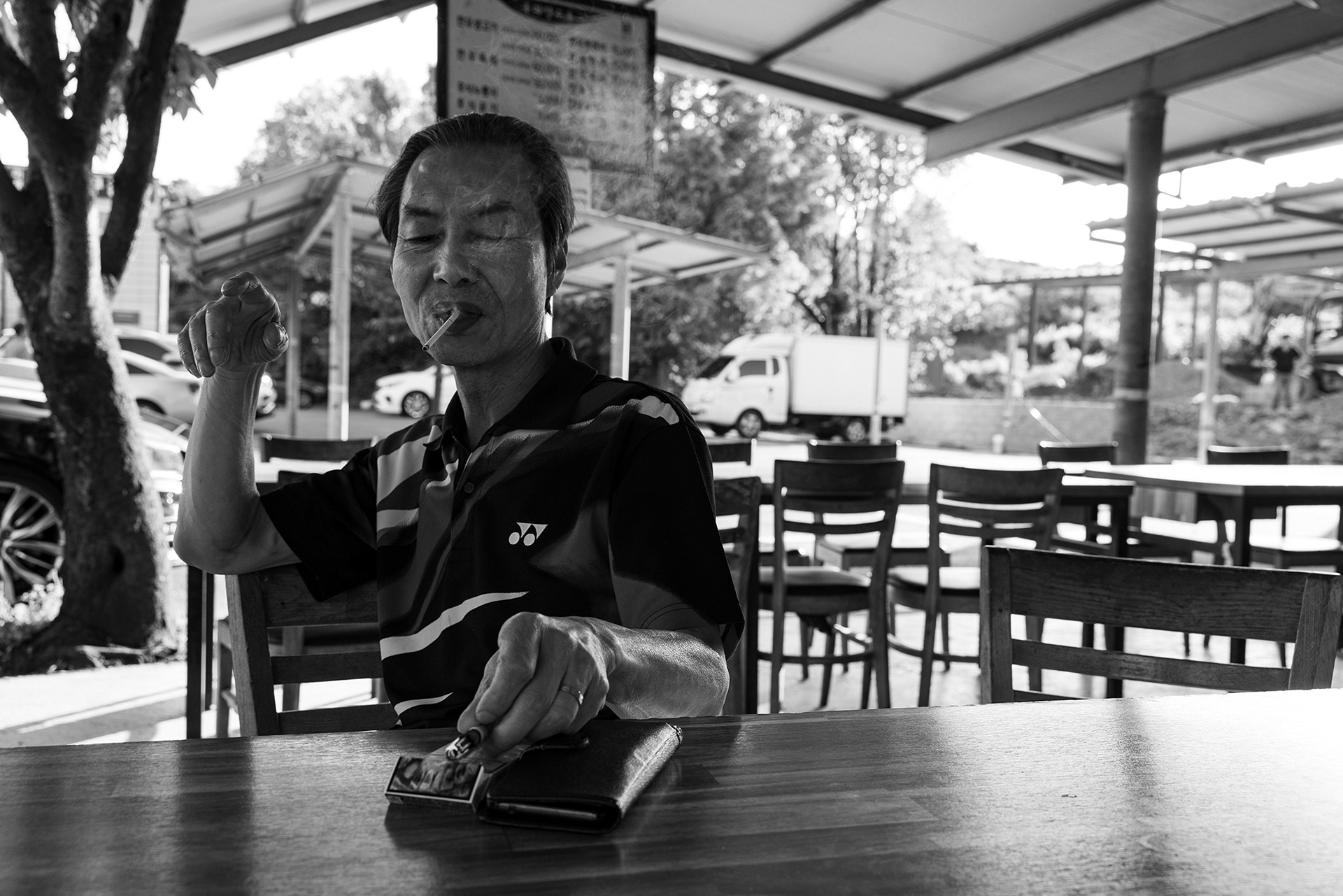
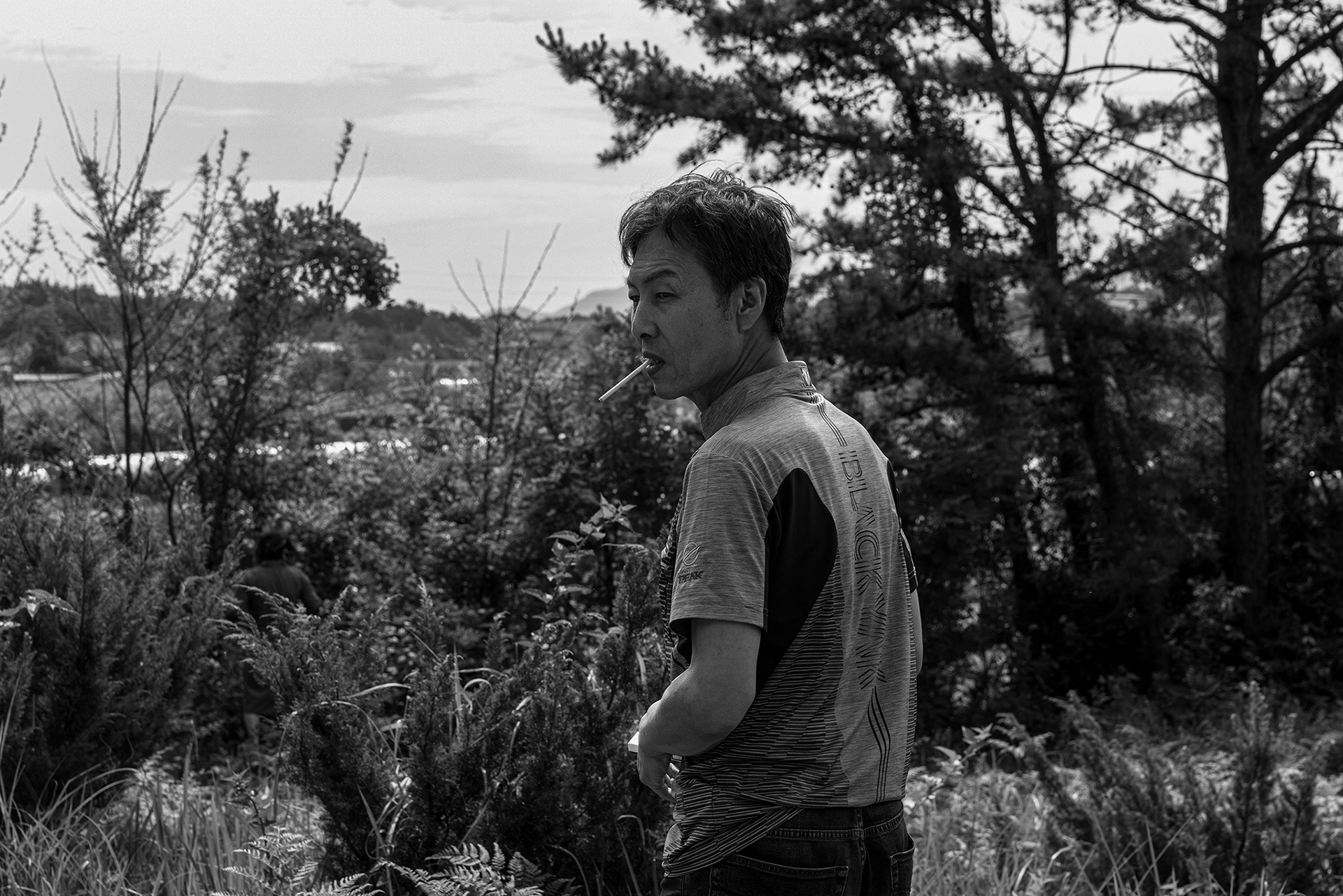
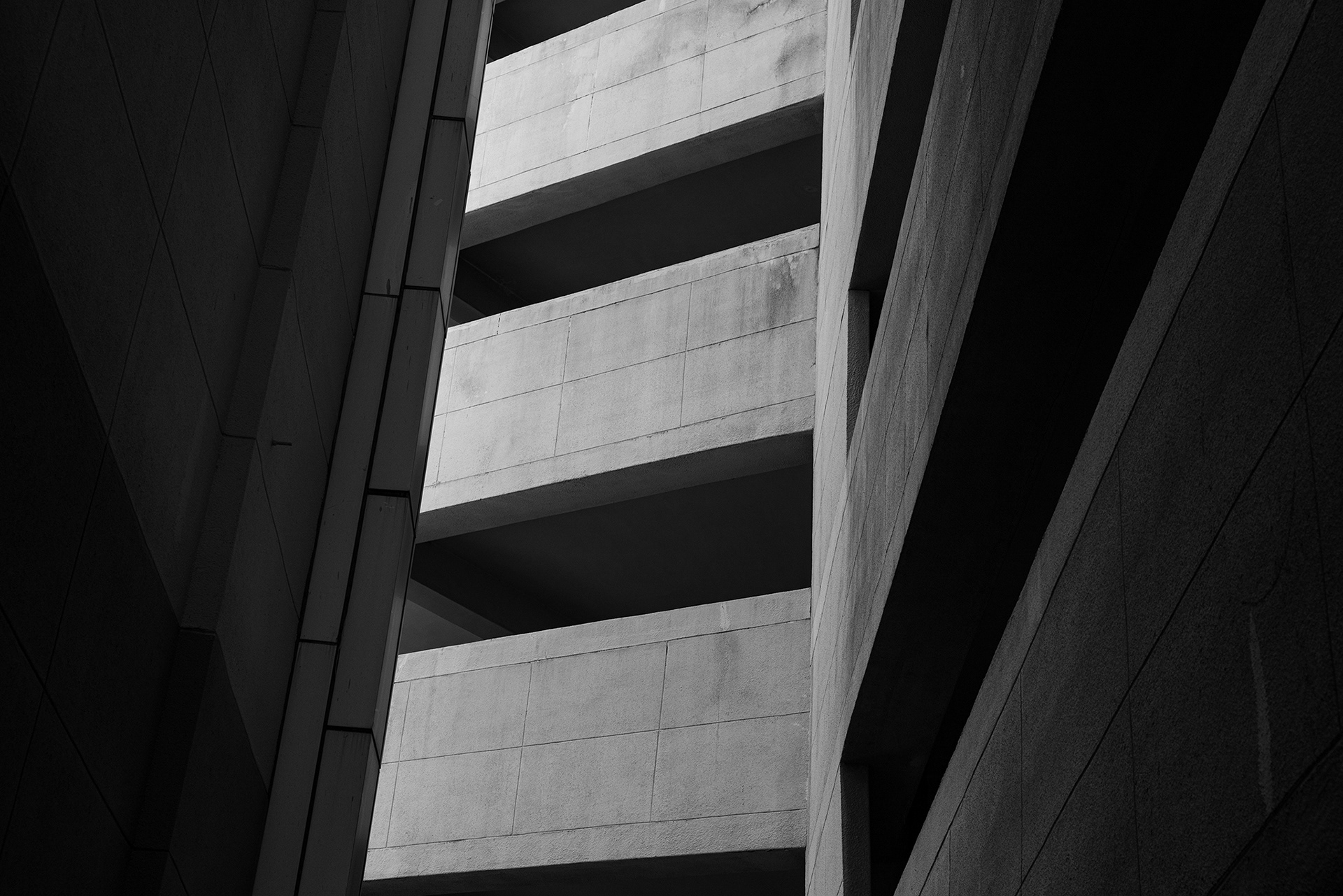
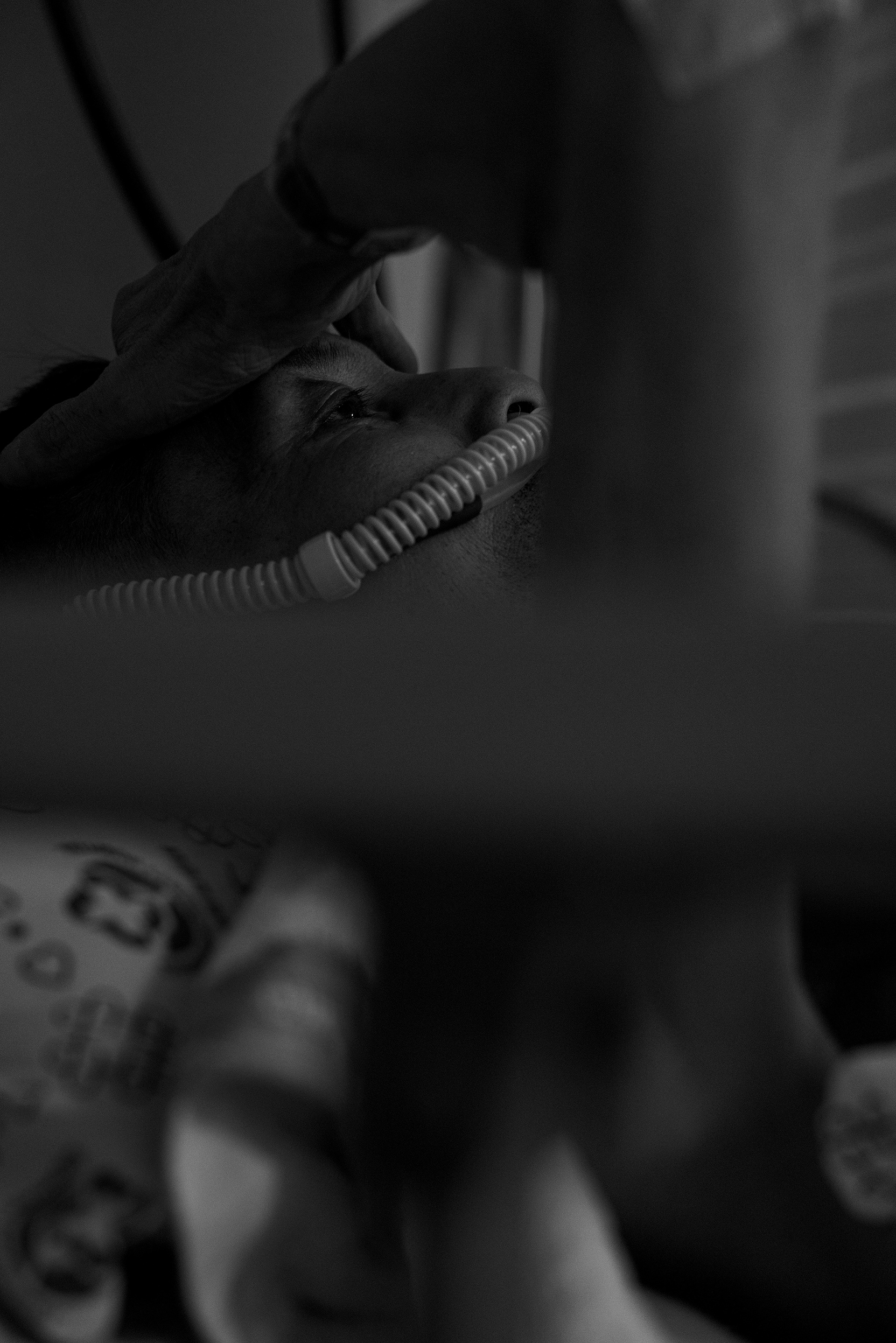
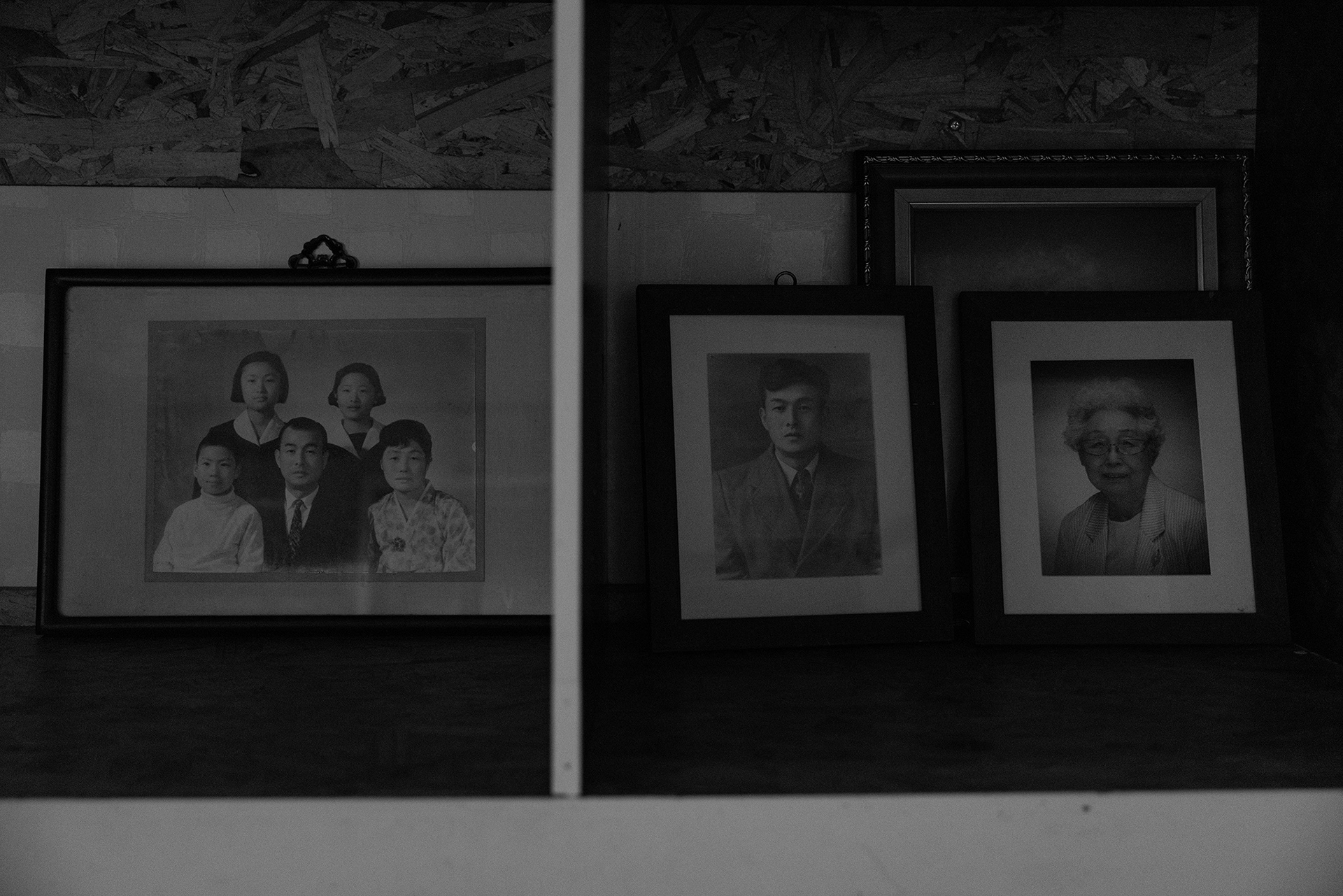
나는 어릴 적부터 아버지의 눈을 좋아했다. 삶이 무너지는 순간들 속에서도, 그의 시선만큼은 쉽게 흔들리지 않는 것처럼 보였다. 가난과 빚, 가족의 해체, 반복된 실패와 침묵. 아버지는 끝까지 혼자서 해결하려 했지만, 그 방식은 결국 우리를 멀어지게 만들었다.
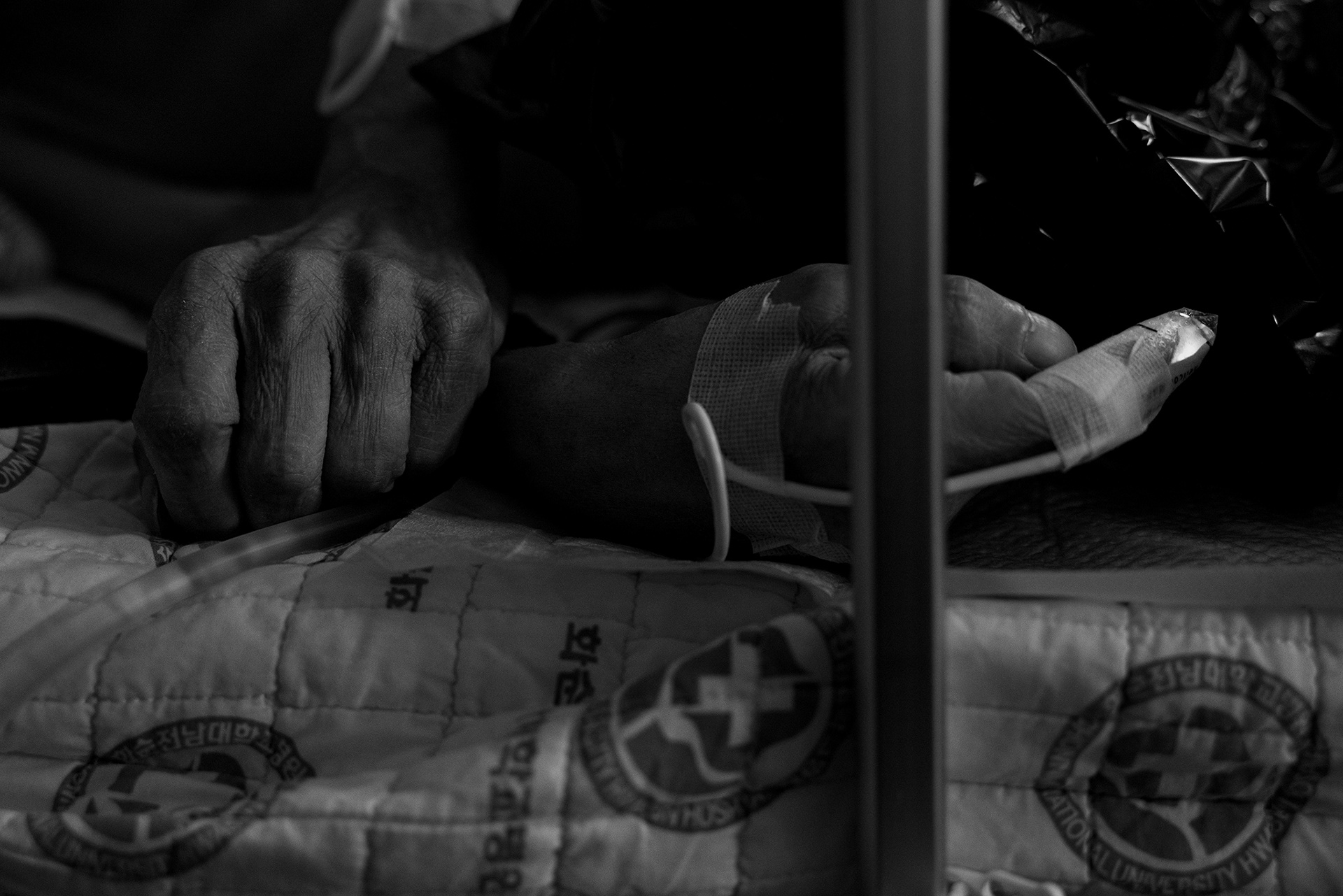
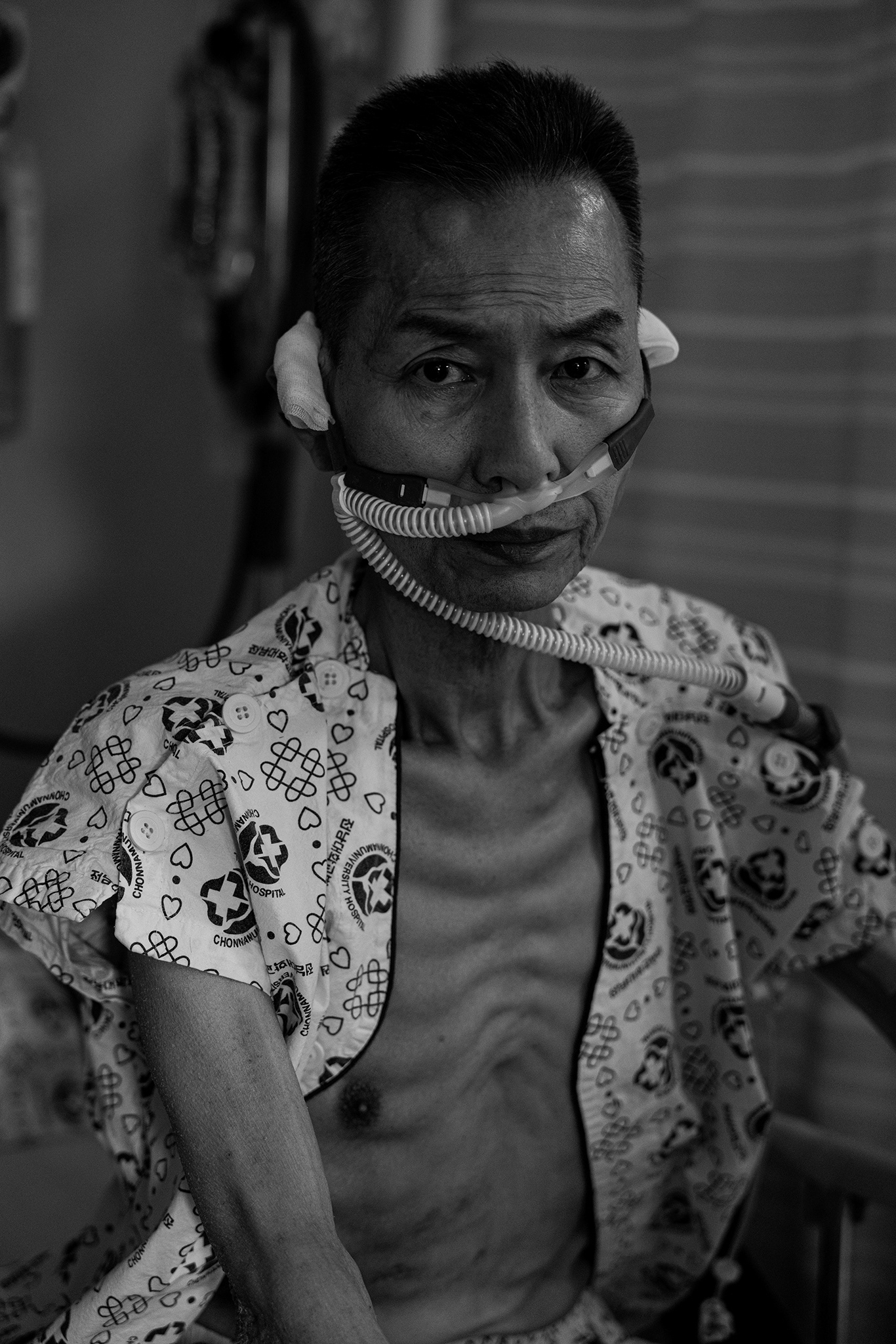
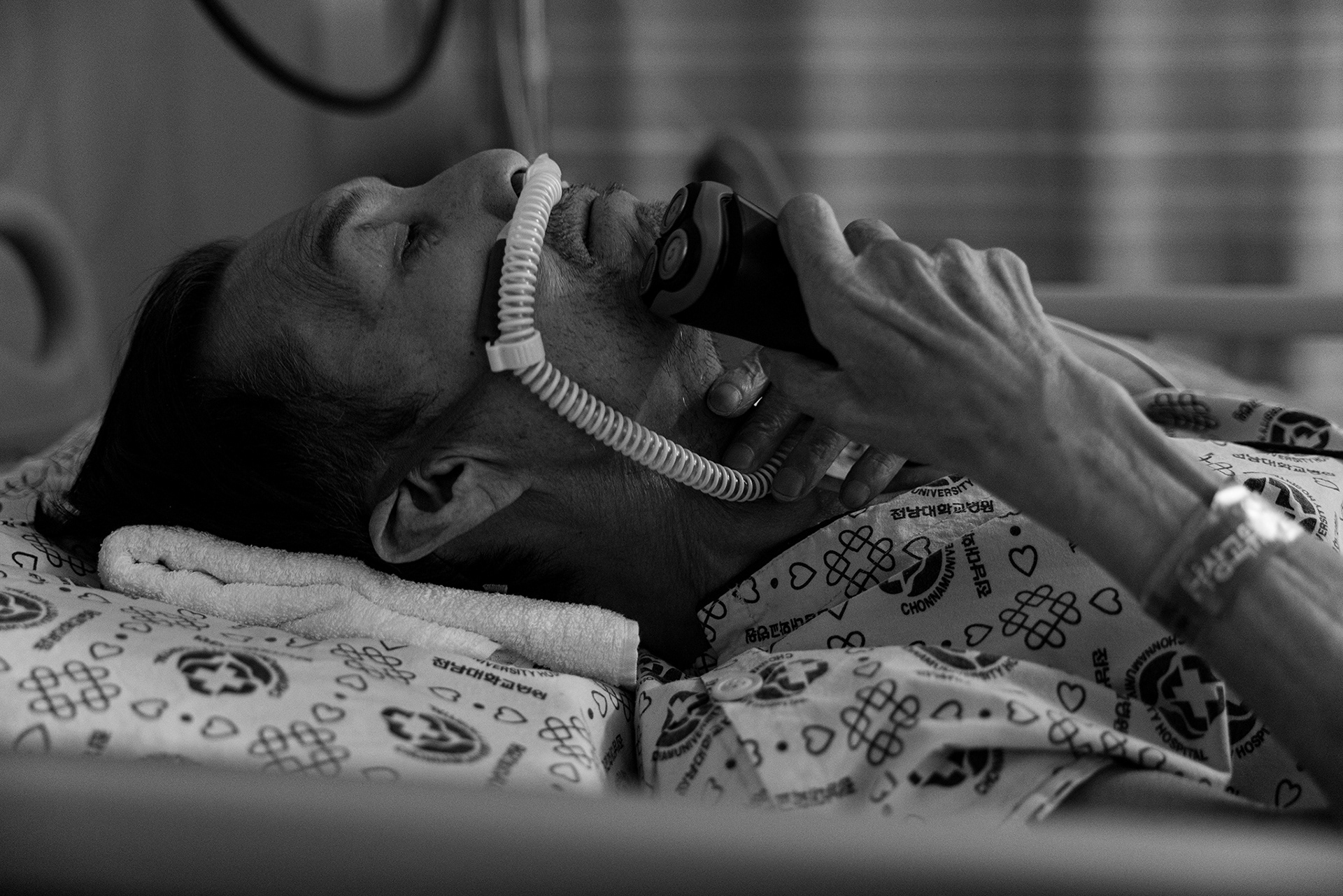
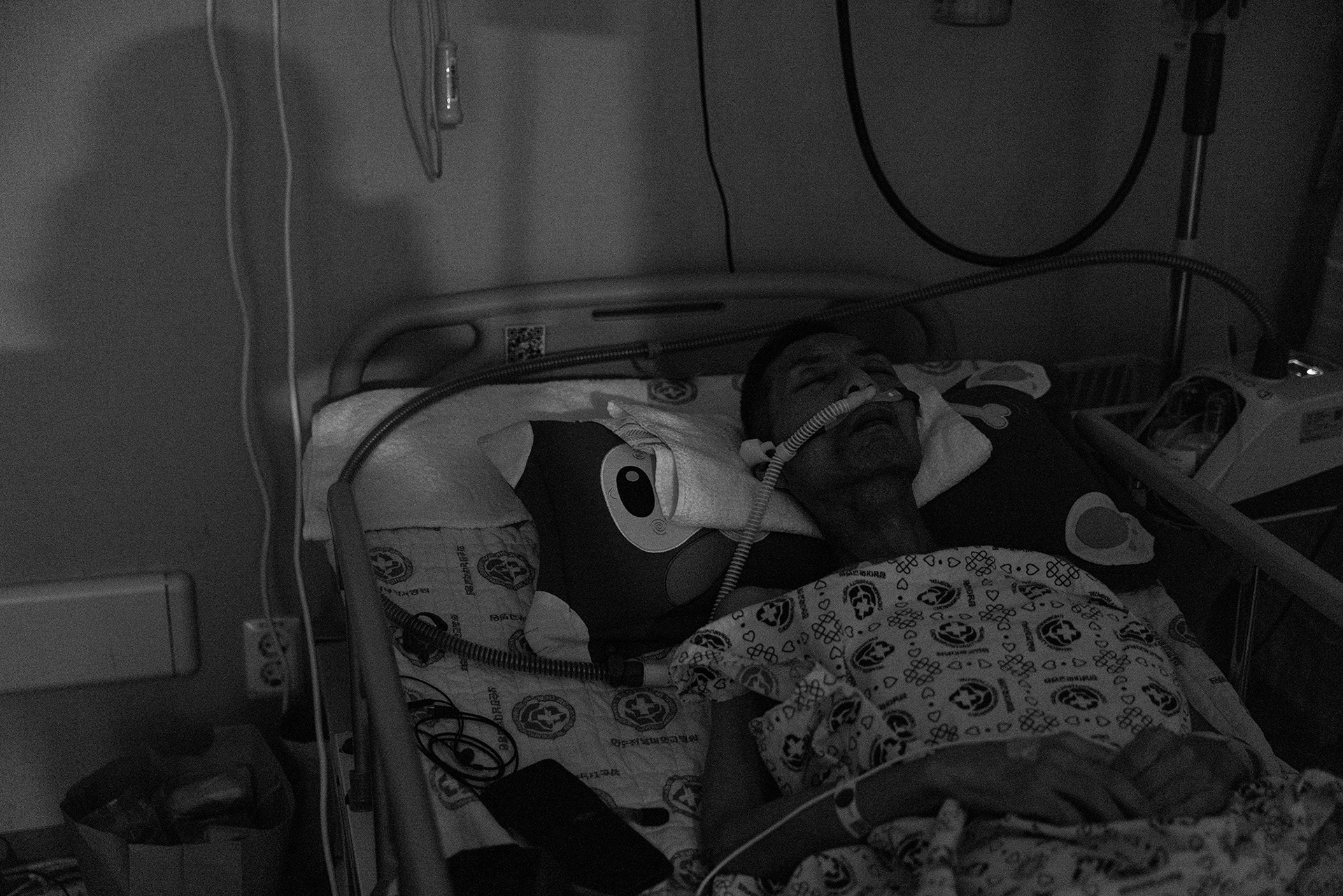
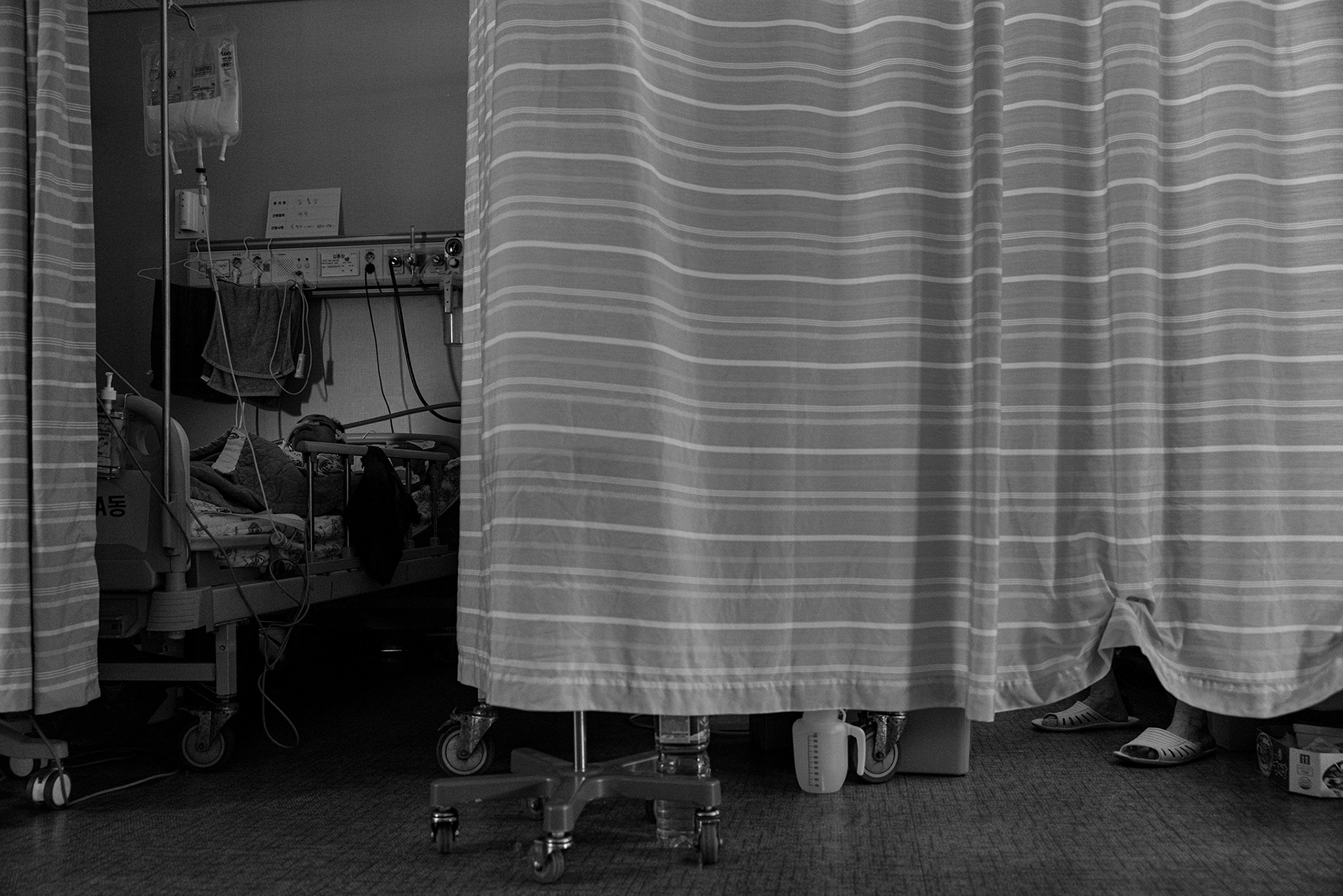
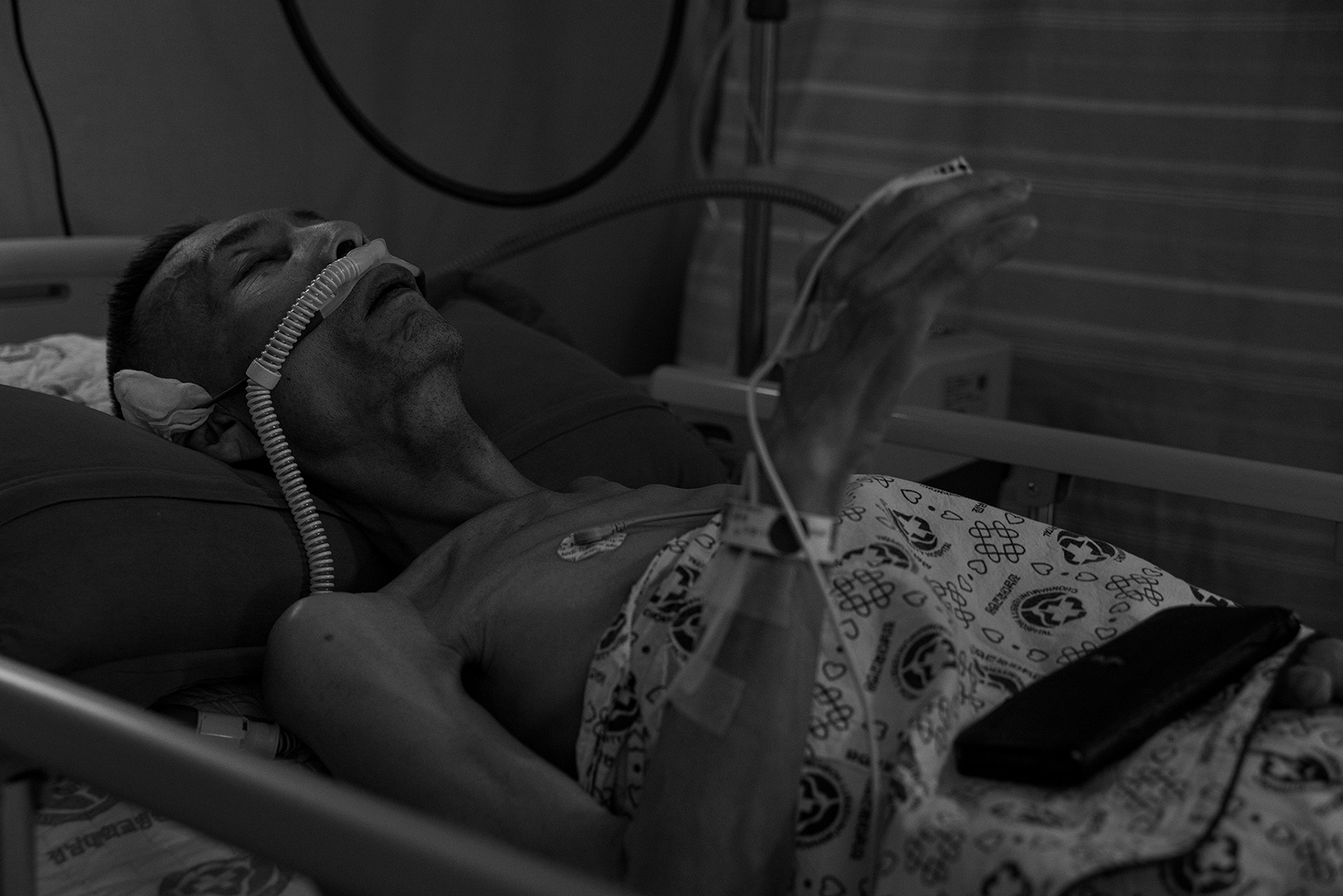
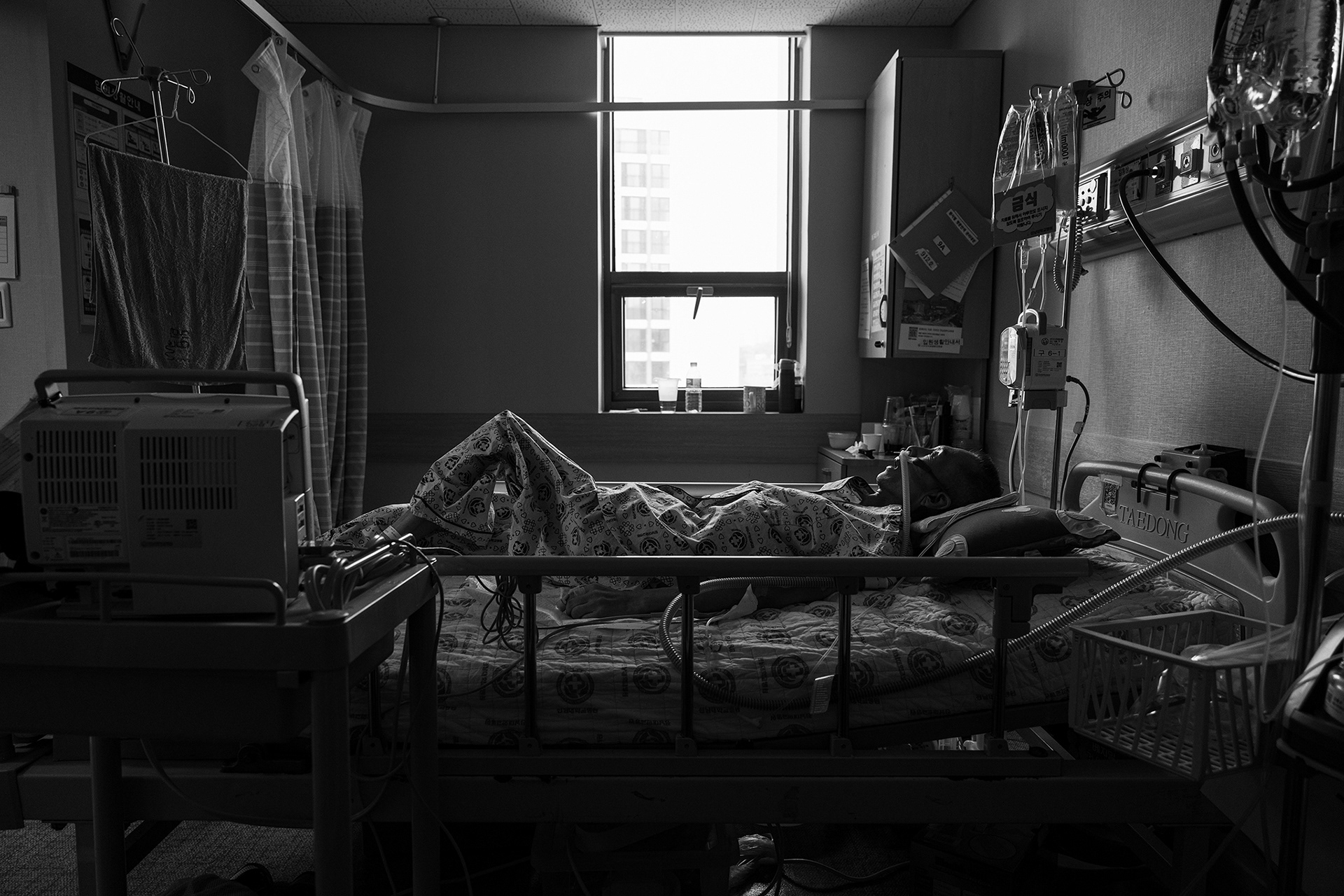
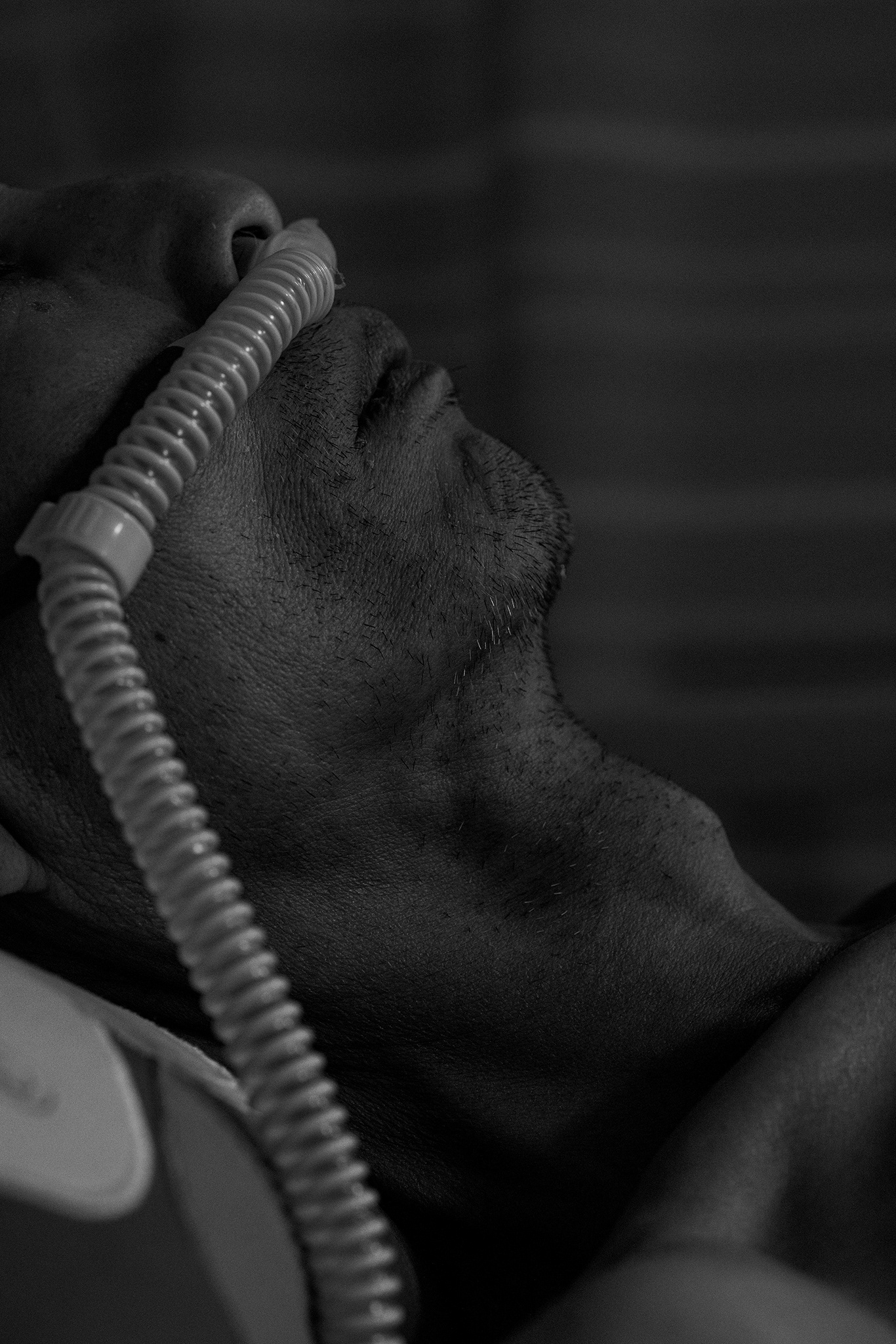
아버지가 말기 암 진단을 받았을 때, 그는 내 앞에서 여유로운 척을 했다. 병실에서 노래를 부르고 미래를 약속했지만, 시간이 지나며 눈빛은 흔들리기 시작했다. 밤마다 잠들지 못했고, 섬망 속에서 보이지 않는 누군가를 찾거나 과거의 장면을 더듬었다.
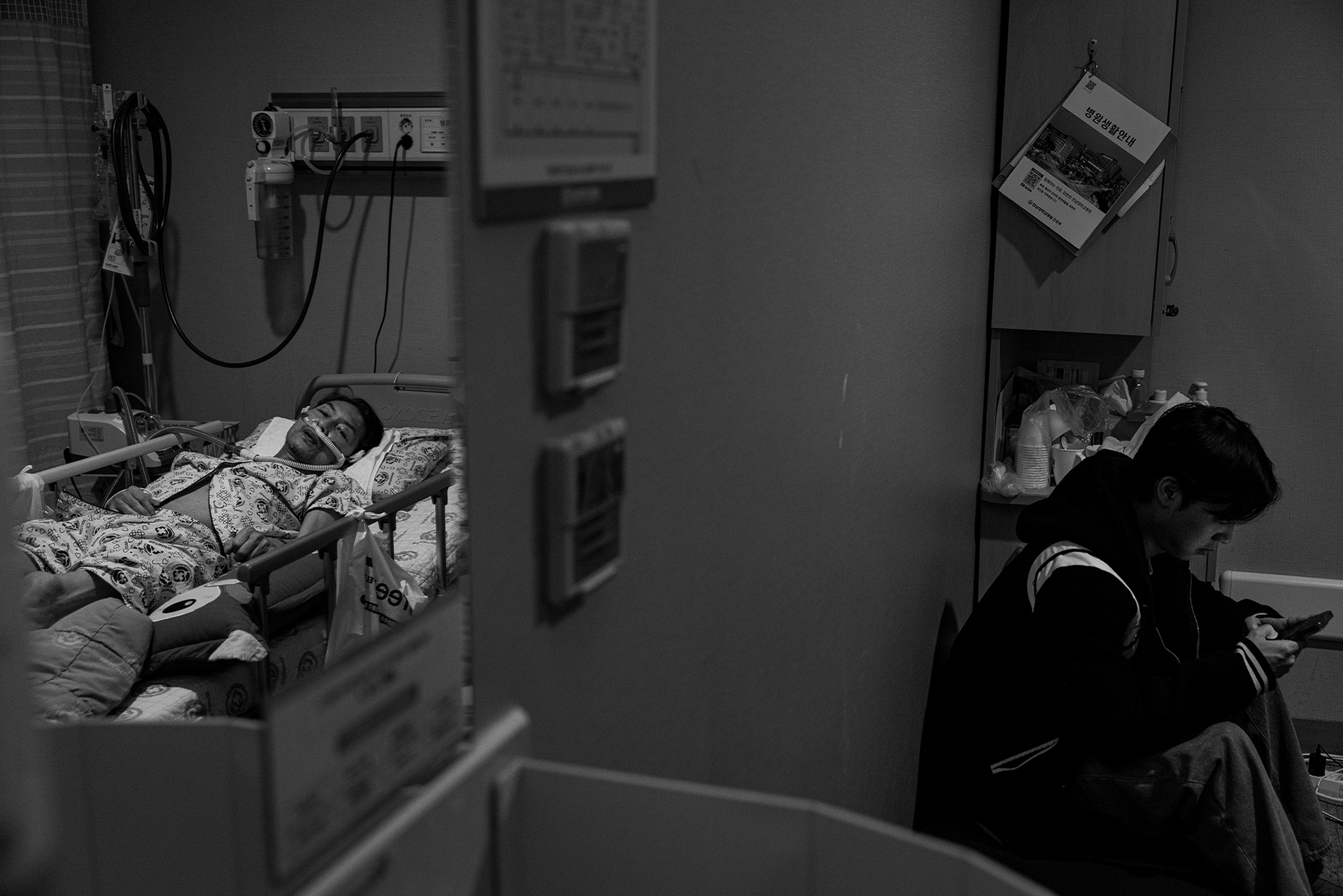
나는 간호를 하며 처음으로 질문을 했다. 아버지가가 감췄던 잘못과, 말하지 않았던 실패와, 우리 사이에 쌓인 거리. 하지만 끝내 아버지를 이해할 수 없었다. 이 작업은 ‘아버지를 이해하려는 시도’라기보다, 이해하지 못한 채 곁에 머물렀던 마지막 시간에 대한 기록이다. 그 시간 동안 내가 느낀 건, 설명으로는 다 담기지 않는 아버지의 사랑이었다.
I used to like looking into my father’s eyes. Even after poverty, separation, debt, and the collapse of our family, his gaze seemed unwavering. There were failed ventures, mounting silence, and a life that kept narrowing. He kept trying to solve everything on his own, but that impulse ultimately pushed us further apart.
When he was diagnosed with terminal cancer, he acted as if he were fine in front of me. In the hospital room he sang, made promises about the future, and tried to reassure us both. As the disease deepened, his eyes began to tremble. He couldn’t sleep at night, and in delirium he searched for someone unseen, pulling fragments of longing and memory into the present.
While caring for him, I started to ask questions I had avoided—about his choices, his mistakes, and the distance that had accumulated between us. I still cannot fully understand him. This work is not a conclusion, but a record of the last time we shared—staying beside him even when understanding failed. And within that time, I could finally feel his love, beyond explanation.